Persistent regulatory barriers: results of AgroforAdapt surveys
 Hélène Le Gallic
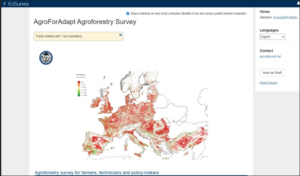
Agroof has conducted surveys in France on the difficulties of taking agroforestry trees into account in Common Agricultural Policy regulations, whether in agricultural production support mechanisms (first pillar) or various planting and project management support mechanisms (second pillar). This survey work was also carried out in Spain with our Life project partners. The main results show that it is difficult to declare agroforestry plots correctly due to the complexity of the declarations, frequent changes in operating procedures, and the unsuitability of the declaration and control tools. Trees are still seen as a source of trouble in an agricultural sector subject to a growing number of standards and conditions that must be met. The result? More than half of farmers planted trees without applying for planting aid, and more than 60% did not declare their trees in their annual declaration in order to avoid potential problems.
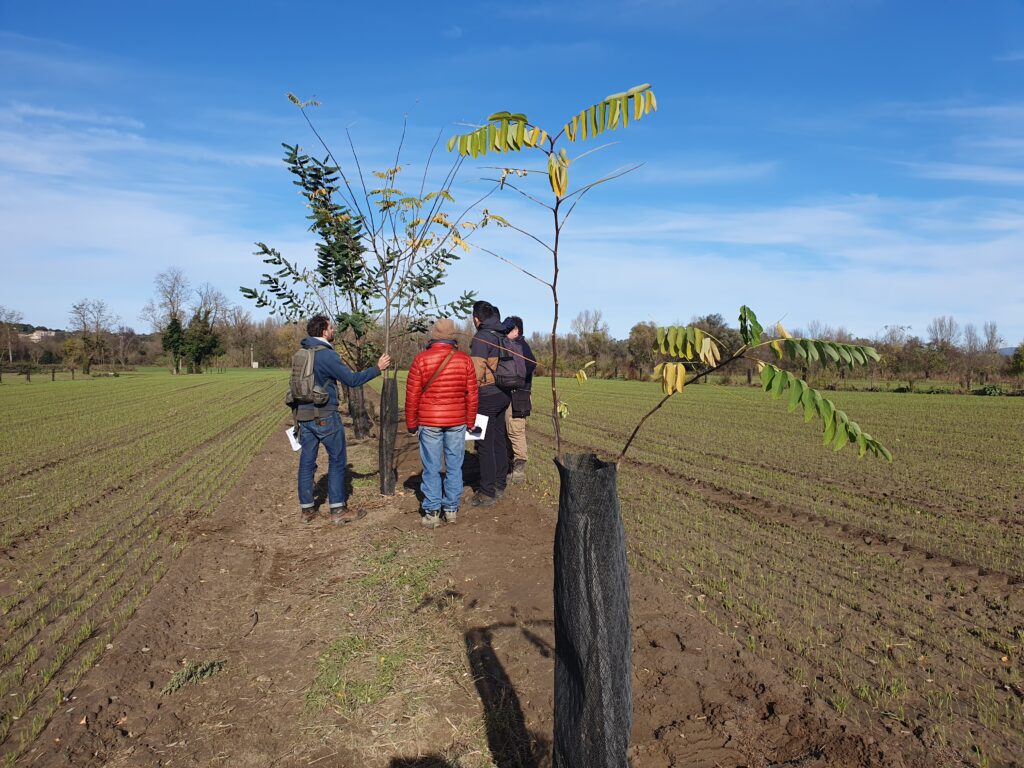
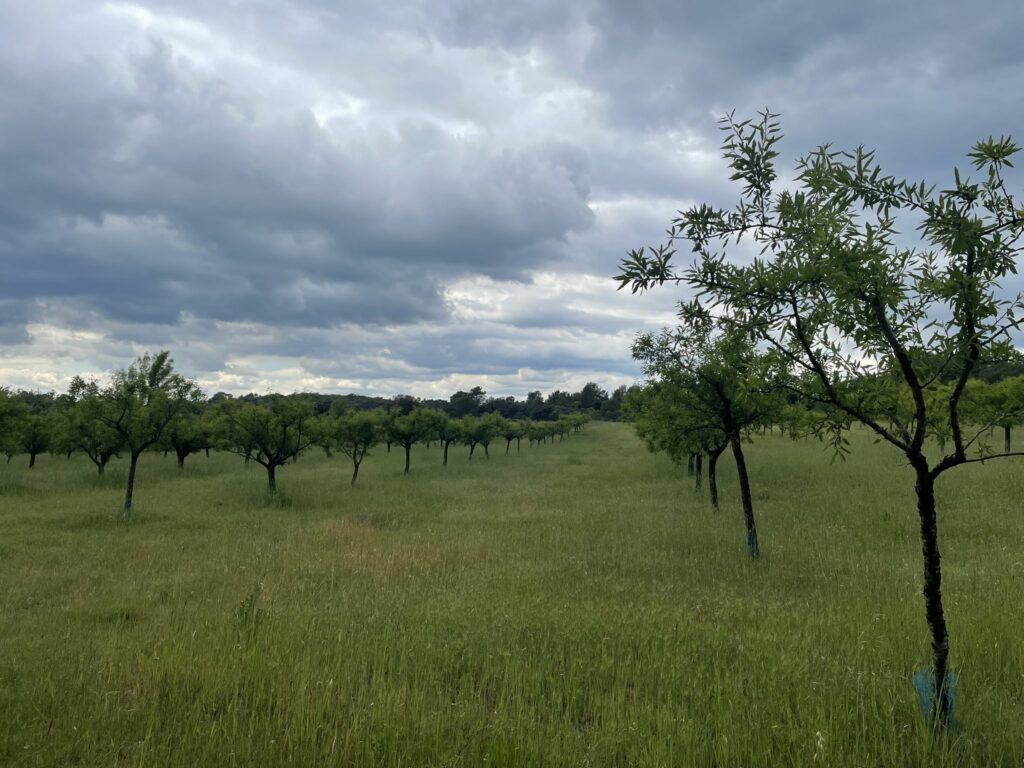
In the proposals to resolve the problems encountered, requests for simplification of procedures are highlighted, with support for the sector and products, rather than conditionality or mandatory labeling in order to receive subsidies.

These results should prompt us to question the proposals put forward by the agricultural and agroforestry sectors for the next CAP. They are not surprising and had already been raised in previous surveys. Making the entire agroforestry plot eligible, without restrictions on tree density, hedge width, or tree cover considered “non-productive elements,” without conditions based on surface area but rather on agronomic results, with greater freedom in how to achieve the objective results. no hedge bonus coupled with cumbersome administrative procedures that reduce the economic interest of the approach... These proposals, supported by more than 90% of respondents, who are agroforestry farmers or have a project, are based on trust and not on the fear of seeing a minority of farmers “take advantage” of the system. By working on the benefits of trees for agronomic purposes (crop protection, biocontrol, water balance, improvement of soil biological functioning, valorization of biomass products, and improvement of purchasing channels, etc.), we address the key arguments that would promote the adoption of agroforestry, without imposing obligations or excessive incentives.
This work is continuing within the framework of AgroforAdapt. A final summary will be produced and similar work will be undertaken with Italian, Portuguese, and Greek partners, in partnership with the DRYAD project. In June, at the next Agroforestry Congress in Neuchâtel (Switzerland), a workshop will be co-hosted by Agroof, the Catalan Forestry and Technology Center, and Euraf to develop proposals for decision-makers on the future CAP 2027...